2026-10-24 · Robert "Bob" Miller
Troubleshooting Furnace Short Cycling During Saint Joseph Cold Snaps
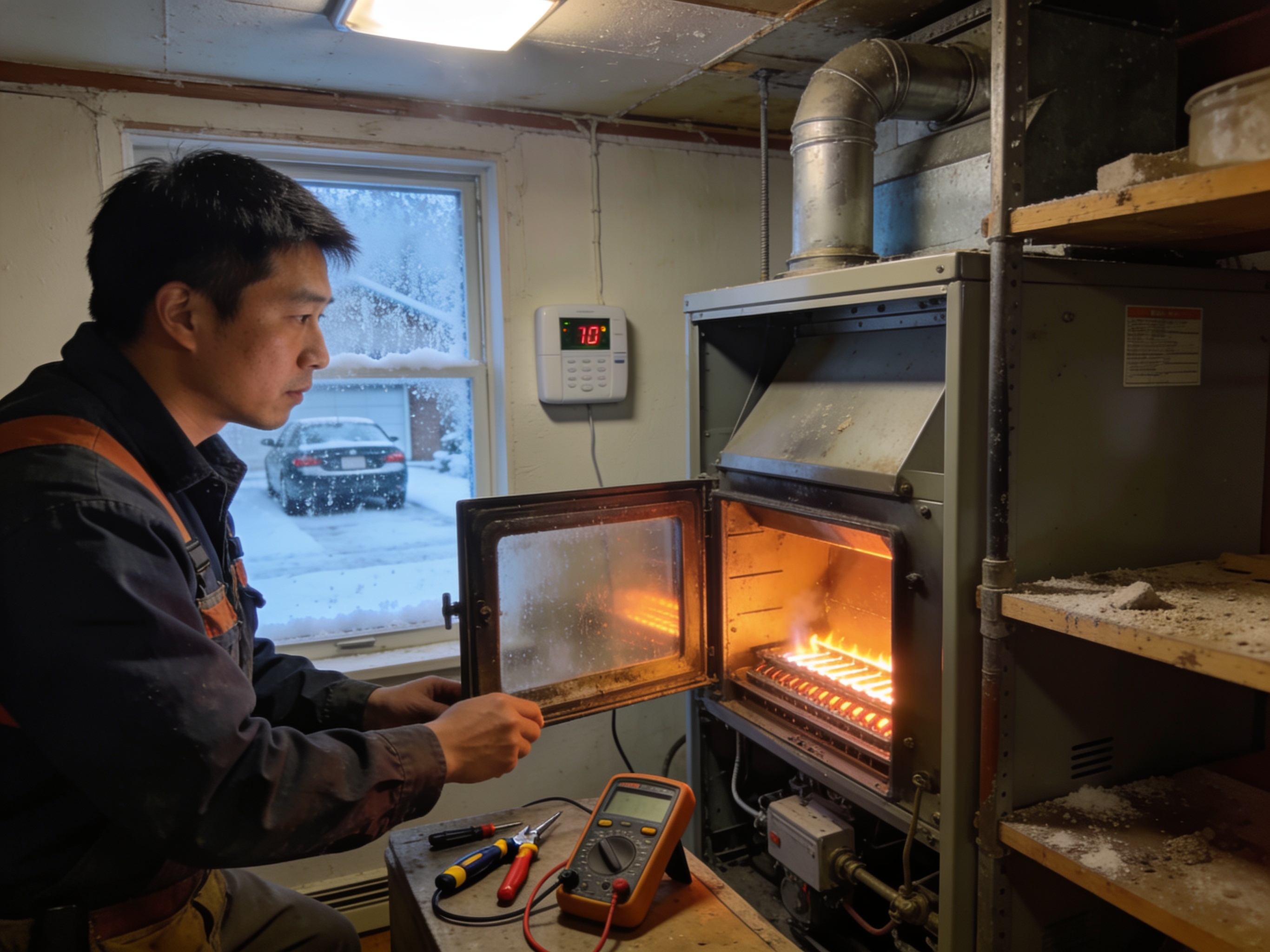
Furnace short cycling during Saint Joseph's cold snaps, a common issue where the furnace turns on and off too frequently without completing a full heating cycle, can be caused by several factors ranging from simple airflow blockages to more complex mechanical or electrical faults. While some issues like a dirty air filter or a clogged flame sensor might be resolved with basic homeowner maintenance, others, such as an oversized furnace, a failing limit switch, or issues with the thermostat, often require professional diagnosis and <a href="/services/furnace-repair">furnace repair</a>. Addressing short cycling promptly is crucial not only for maintaining comfortable temperatures across neighborhoods like Museum Hill and Wyeth Hill but also for preventing increased energy bills and premature wear on your heating system.
Understanding Short Cycling in Saint Joseph's Climate
Saint Joseph experiences a humid continental climate, meaning our winters are genuinely cold, often dropping well below freezing. When the mercury plummets, furnaces in homes across Buchanan County, from the historic houses in Downtown to the newer builds along the Belt Highway, work harder to maintain warmth. Short cycling in these conditions means your furnace isn't running long enough to adequately heat your home, leading to inconsistent temperatures and a system that's constantly starting and stopping. This stop-and-go operation puts immense stress on components like the igniter, blower motor, and heat exchanger, potentially shortening the lifespan of your unit, which typically ranges from 15–20 years for a well-maintained furnace.
Moreover, the frequent cycling consumes more energy than a furnace running efficiently through longer, less frequent cycles. Homeowners in areas like the North End and South Side might notice a significant spike in their utility bills if short cycling persists. It's not just about comfort; it's about the longevity and efficiency of your entire heating system, especially when facing the bitter cold fronts that sweep through our region, sometimes making the journey from Kansas City feel even colder.
Common Causes of Furnace Short Cycling
Several issues can trigger short cycling. One of the most frequent culprits is a dirty air filter. A clogged filter restricts airflow, causing the furnace to overheat and trip the limit switch, shutting down prematurely. We often see this in older homes where filters haven't been changed regularly. Another common cause is a faulty thermostat or incorrect thermostat settings. If your thermostat is placed in a drafty area or near a heat source, it might misread the room temperature, causing the furnace to cycle on and off erratically. Sometimes, simply relocating the thermostat or ensuring it's level can resolve the issue.
An oversized furnace is another significant factor, particularly in homes that have undergone renovations without a proper heating load calculation. If your furnace is too powerful for your home's square footage, it will heat the space too quickly, satisfy the thermostat, and shut off before it has a chance to properly distribute heat throughout the house. This leads to short, frequent cycles. Issues with the flame sensor or limit switch can also cause short cycling. A dirty flame sensor won't detect the flame, causing the furnace to shut down as a safety precaution, while a failing limit switch might prematurely cut power to the burner.
DIY Checks You Can Perform
Before calling for <a href="/services/emergency-furnace-repair">emergency furnace repair</a>, there are a few simple checks Saint Joseph homeowners can perform:
- Check and Replace Your Air Filter: This is the easiest and most common fix. Locate your furnace's air filter slot, usually near the blower compartment. If it's visibly dirty or clogged, replace it with a new one. For most homes, especially during peak heating season, checking monthly and replacing every 1–3 months is recommended. A clean filter ensures proper airflow and prevents overheating.
- Inspect Your Thermostat: Ensure your thermostat is set to 'Heat' and the temperature is higher than the current room temperature. Check its location; if it's in direct sunlight or near a vent, it might be getting false readings. Consider replacing old, unreliable thermostats with newer, programmable models for better control and accuracy.
- Clear Vents and Registers: Walk through your home, from the living areas in Wyeth Hill to the bedrooms in the North End, and ensure all supply and return air vents are open and unobstructed by furniture, rugs, or drapes. Blocked vents can restrict airflow and contribute to uneven heating and short cycling.